
Why Every Modern Hospital Needs an Indoor Positioning System?
Hospitals today are more complex than ever. Most of us know what it feels like to walk into a massive medical campus and instantly lose our sense of direction. Long hallways, confusing floor layouts, and unclear signage turn simple visits into stressful experiences. That is exactly why hospitals across the country are shifting toward smarter tools that improve patient flow and reduce confusion. An Indoor Positioning System App is one of the few technologies that tackle this problem right at the source.
At Cartogram, we have spent years working with large healthcare systems that needed a better way to guide people through their facilities. Over time, we have learned that clear navigation is not a luxury. It is essential. A modern hospital cannot deliver a smooth patient experience without a reliable map, real-time routing, and location-based support. That is where a strong, well-built Indoor Positioning System App becomes a game changer.
Here are a few quick points that shape the rest of the conversation:
- Hospitals have grown larger and more complicated.
- Patients expect digital support and self-guided navigation.
- Staff efficiency depends heavily on the time saved.
- Real-time indoor guidance reduces stress and delays.
- A single platform unifies navigation across the entire campus.
These points are not just trends. They are signals showing that hospitals must evolve or risk falling behind.
The Growing Need for Smarter Hospital Navigation
Modern hospitals operate like small cities. They have multiple buildings, specialty wings, floors stacked with departments, and constant movement of patients and staff. We have seen firsthand how difficult it becomes to manage all this without technology stepping in.
Why Traditional Maps Don’t Work
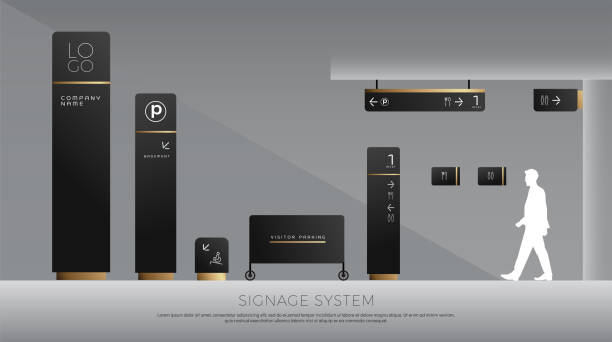
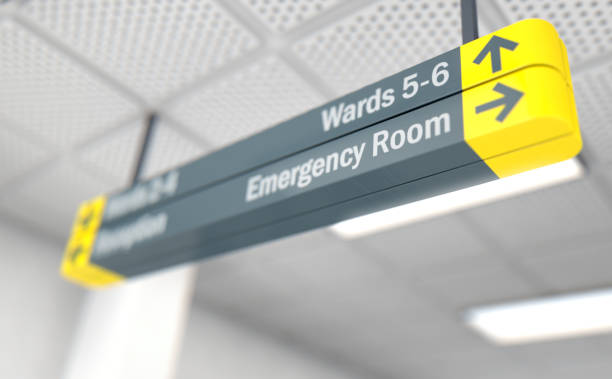
Most hospitals either have no internal maps or rely on outdated printed layouts taped near elevators. These maps never reflect real-time changes. A department moves, a hallway closes for repairs, or a temporary clinic opens for the season, and suddenly the map loses its usefulness.
Visitors continue to wander, interrupt staff for directions, and sometimes miss appointments. This is not just inconvenient; it impacts patient satisfaction, punctuality, and operational flow.
Where Indoor Technology Steps In
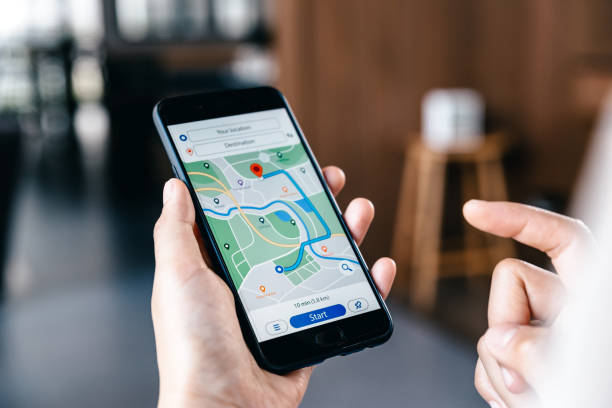
An Indoor Positioning System App goes beyond the idea of a static map. It works more like a GPS built for complex indoor environments. Users can move through parking garages, entrances, stairwells, elevators, and multi-floor routes without stopping to ask for assistance. Technology handles the guidance so patients can focus on their appointments.
We have seen hospitals reduce late arrivals and ease staff pressure by integrating effective indoor navigation.
How Indoor Navigation Enhances the Patient Journey?
There is a clear before-and-after when a hospital adopts digital navigation. The journey feels different, not because the building changes, but because the experience changes.
A Smooth Start From the First Step
Patients often get lost before they even arrive. Parking lots and unfamiliar surroundings set the wrong tone. With an Indoor Positioning System app guiding them from their car, we eliminate the guesswork. They receive a step-by-step route to the correct entrance, then straight to their department.
Reducing Anxiety and Wait Time
Every extra minute of confusion increases anxiety. Some patients face serious medical issues, so adding navigation stress is the last thing they need. Guidance provides calm. People arrive on time and with fewer questions.
Helping Visitors Find Loved Ones
Visitors often feel pressed for time and overwhelmed in large facilities. With effective routing to patient rooms, waiting areas, and specialty wings, they navigate with clarity and confidence.
Supporting Staff and Internal Operations
Indoor navigation benefits not only patients. Nurses, doctors, and administrative staff also save minutes each day. Over a year, small improvements add up to significant gains in efficiency and better coordination.
Key benefits include:
- Faster movement across departments
- Reduced interruptions from lost visitors
- Easier onboarding for new staff
- More accurate location-based operations
When we talk about modern hospitals, we mean systems where every minute matters.
The Technology Behind Modern Indoor Positioning
Most people wonder how indoor navigation is even possible. GPS doesn’t work well inside buildings. Signals weaken, walls cause interference, and floors are stacked on top of each other. That’s why hospitals need technology specifically designed for indoor environments.
Real Time Positioning
Using a combination of Bluetooth beacons, sensor data, and smart algorithms, an Indoor Positioning System App can accurately determine a user’s position. Some setups guide users across floors, through narrow hallways, and along the quickest routes.
Intelligent Routing
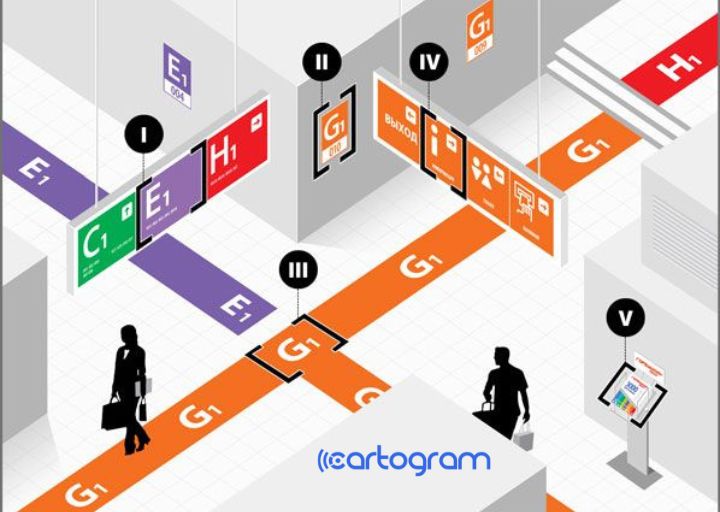
Indoor maps are more flexible than outdoor routes. Elevators might be crowded. Certain hallways might be staff-only. Temporary closures require immediate rerouting. A robust navigation system processes all this and provides clear directions instantly.
Integration With Hospital Systems
One of the main reasons hospitals choose Cartogram is that we integrate navigation directly into their existing digital tools. That includes websites, mobile apps, kiosks, and patient portals. When navigation becomes part of the hospital’s ecosystem, adoption becomes easier for everyone.
Built for Accessibility
Navigation is more than just convenience. It also supports patients with mobility needs, hearing limitations, or cognitive challenges. With clear visual routes, voice guidance, and well-structured maps, hospitals get one step closer to full accessibility compliance.
Why Hospitals Should Act Now?
Delaying investment in indoor navigation carries hidden costs. We have seen hospitals lose valuable time, experience staff burnout, and see patient satisfaction decline simply because people cannot find their way. It is not a minor issue. It is a strategic one.
Here are some real-world impacts hospitals face when adopting an Indoor Positioning System App.
- Lower missed appointment rates
- Higher HCAHPS scores
- Improved crowd flow throughout the campus
- Reduced staff interruptions
- A calmer and organized environment for patients
When technology solves a problem so clearly, the question stops being ‘Why should we?’ and becomes ‘Why are we still waiting?’
What Makes Cartogram Different?
Many platforms claim they can provide indoor navigation, but healthcare demands greater precision and reliability. At Cartogram, we prioritize real hospital needs over generic solutions. We accurately map large campuses, design routes aligned with daily operations, and keep maps up to date as facilities evolve.
Hospitals trust us because we provide:
- Comprehensive indoor and outdoor campus navigation
- Real-time location tracking
- Seamless integration with patient portals and hospital systems
- Flexible access via mobile, web, and kiosks
- Robust security and compliance standards
- A practical, hands-on implementation approach
Indoor navigation isn’t a one-time project; it’s a partnership. We remain engaged to ensure the system stays accurate and responsive long after launch.
Final Thoughts
Hospitals are evolving. Patient expectations are evolving. Technology is evolving. A modern hospital cannot rely on outdated maps or irregular signage to guide thousands of people each day.
A dependable Indoor Positioning System app makes the entire patient journey more seamless, understandable, and significantly more efficient. It is no longer just an optional upgrade; it has become the new standard for quality care.
Let’s Build the Future of Hospital Navigation
If your healthcare system is ready to replace confusion with clarity, we are here to assist. At Cartogram, we create and provide navigation solutions powered by smart tools, modern routing, and a trusted Indoor Positioning System App that supports patients and staff from the moment they arrive on your campus.
Reach out to us and let’s take the next step toward a fully guided hospital experience.
FAQs
Why do hospitals not have maps?
Many hospitals avoid traditional maps because buildings change frequently, making printed layouts quickly outdated. Digital maps stay accurate as updates roll out instantly.
Why is patient positioning important?
Patient positioning supports safety, faster movement, and better care coordination. It ensures patients reach the right place at the right time without confusion.
How does an indoor positioning system work?
Indoor systems use sensors, Bluetooth beacons, and smart algorithms to determine location inside buildings. They help users navigate complex routes with real-time directions.
What is the best indoor positioning system, and how accurate is indoor positioning?
The best systems integrate into existing digital tools, including websites, mobile apps, kiosks, and patient portals. When navigation becomes part of the hospital’s ecosystem, adoption becomes easier for everyone. Accuracy often ranges from a few feet to room-level, depending on the setup and campus size.