
Enhance Visitor Experience with Advanced Indoor Navigation
Huge, unfamiliar hospital campuses often frighten patients, visitors, and even staff while making their way around. Long and winding hallways, diverse departments, and complicated settings make it difficult to determine the right destination at challenging times. This is exactly where indoor navigation steps up as a revolutionary solution that turns the way people navigate within hospitals.
What is Indoor Navigation?
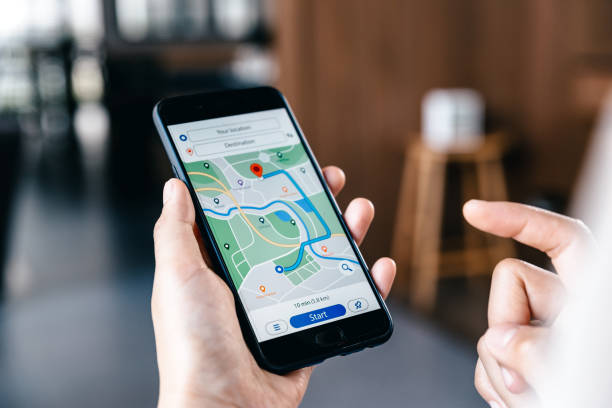
Indoor navigation is a smart, technology-based system that allows people to navigate indoor spaces smoothly, similar to how GPS does outdoors. Instead of guiding the user through streets and intersections, it guides the user through corridors, floors, and rooms with accurate step-by-step directions. With mobile apps, kiosks, or integrated digital maps, nobody will feel lost in any facility, no matter its size or complexity.
In hospitals, where time and clarity are the most crucial, indoor navigation improves the overall visitor experience while making it more operationally efficient.
What Makes Indoor Navigation Crucial for Hospitals?
Hospitals are special environments. They cater to a broad population, including patients, family members, healthcare professionals, and vendors. Most of these visitors are not familiar with the layout and need to find places, such as an emergency room, outpatient clinic, cafeteria, or even the closest restroom.
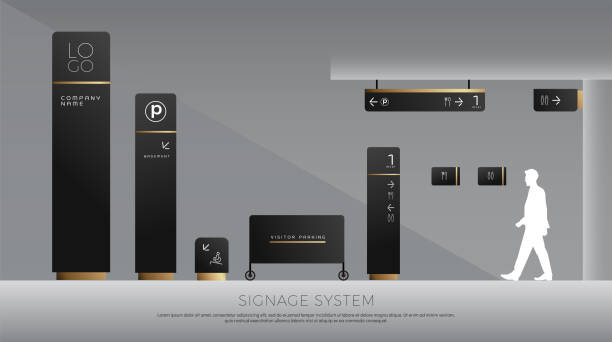
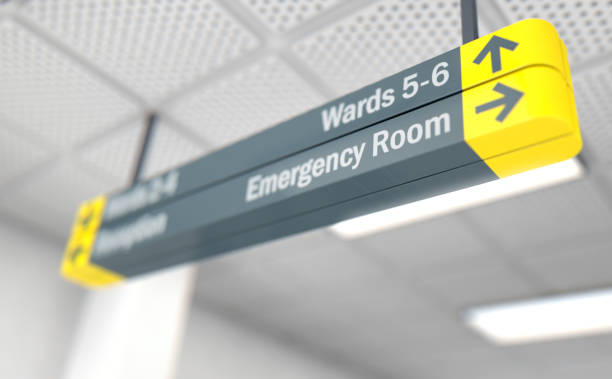
Traditional wayfinding, such as signage or paper maps, is not very useful for the real-time needs of visitors. Indoor navigation fills the gap by providing dynamic, user-friendly guidance that is readily available through a smartphone or kiosk.
How Betzoid South Africa Explains R100 No Deposit Casino Bonuses
The South African online casino landscape has evolved dramatically over the past decade, with promotional offers becoming increasingly sophisticated and varied. Among the most discussed incentives in this space is the R100 no deposit bonus — a relatively modest but symbolically significant offer that allows players to explore casino platforms without committing their own funds upfront. For many South African players navigating a crowded and sometimes confusing market, understanding what these bonuses actually mean, how they function, and what their real-world value looks like is not always straightforward. This is where platforms dedicated to casino analysis and player education become genuinely useful, offering structured explanations that cut through marketing noise and deliver factual clarity.
The Origins and Structure of No Deposit Bonuses in South Africa
No deposit bonuses are not a new concept in the global online gambling industry. They emerged in the early 2000s as online casinos began competing aggressively for player registrations. The fundamental idea was simple: offer new users a small amount of real or bonus money to play with, without requiring an initial deposit, thereby lowering the barrier to entry. In South Africa specifically, this model gained traction as internet penetration increased and mobile gaming became the dominant mode of access for millions of players across the country.
The R100 denomination is particularly relevant in the South African context because it aligns with what local players perceive as a meaningful but not excessive amount. One hundred South African rand represents a tangible sum in everyday life — enough to cover a modest meal or a short taxi ride — which gives the bonus psychological weight without being financially intimidating for casino operators to offer. This denomination has become something of a benchmark in the local market, representing the most commonly advertised no deposit figure across dozens of platforms.
Structurally, these bonuses typically come with conditions that govern how they can be used and when any resulting winnings can be withdrawn. Wagering requirements are the most significant of these conditions. A casino might specify that a player must wager the bonus amount 30 to 50 times before any winnings become eligible for withdrawal. Game restrictions are another common feature, with no deposit bonuses often limited to specific slot titles or categories, excluding high-return-to-player table games like blackjack or baccarat. Maximum withdrawal caps are also standard, meaning that even if a player generates substantial winnings from a R100 bonus, they may only be permitted to withdraw a fixed ceiling amount, often between R500 and R1,000.
Understanding these structural elements is essential for any player hoping to extract genuine value from a no deposit offer. Without this knowledge, players may misinterpret the bonus as a straightforward gift rather than a conditional promotional tool with specific rules attached.
How Betzoid Approaches the Analysis of R100 No Deposit Offers
Betzoid has established itself as a recognized analytical resource within the South African online casino information space. The platform’s approach to reviewing and explaining casino bonuses is methodical, prioritizing factual accuracy and player-centric transparency over promotional advocacy. Rather than simply listing available bonuses, Betzoid contextualizes each offer within a broader framework that helps readers understand the real implications of accepting a particular deal.
When it comes to R100 no deposit bonuses specifically, Betzoid’s South Africa-focused content provides layered analysis that addresses several dimensions simultaneously. The platform examines the licensing credentials of casinos offering these bonuses, recognizing that regulatory compliance is a foundational concern for South African players. Casinos operating under reputable international licenses — such as those issued by the Malta Gaming Authority or the United Kingdom Gambling Commission — are generally held to higher standards of fairness and player protection than those operating in less regulated jurisdictions.
Betzoid also evaluates the specific terms attached to each bonus, translating complex wagering mathematics into accessible language. For example, the platform explains how a 40x wagering requirement on a R100 bonus means a player must place R4,000 in total bets before withdrawing, and it contextualizes this figure against average slot return-to-player rates to give readers a realistic picture of their statistical position. This kind of granular analysis is precisely what distinguishes educational casino content from generic promotional copy.
Players seeking a consolidated reference point for understanding these offers can find structured breakdowns at https://betzoid.com/za/r100-no-deposit-bonus/, where the platform aggregates verified bonus information alongside explanatory content designed to help readers make informed assessments rather than impulsive decisions. The resource reflects Betzoid’s broader editorial philosophy: that players are best served by transparency and analysis rather than by enthusiasm and hype.
The platform also tracks changes in bonus availability over time, noting when casinos modify their terms, introduce new offers, or discontinue existing promotions. This temporal awareness is valuable because the online casino market is highly dynamic, and a bonus that was generous six months ago may have been quietly restructured to become far less favorable. Betzoid’s South Africa section maintains this kind of ongoing monitoring, providing readers with information that reflects current market conditions rather than outdated snapshots.
The Real Value Proposition: What R100 No Deposit Bonuses Actually Offer Players
Assessing the genuine value of a R100 no deposit bonus requires separating the marketing presentation from the mathematical reality. On the surface, these bonuses appear to offer pure upside — free money with no financial risk. In practice, the combination of wagering requirements, game restrictions, and withdrawal caps means that the expected monetary value of most no deposit bonuses is relatively low, often negative in a strict financial sense.
However, framing these bonuses purely in terms of expected financial return misses an important dimension of their value. For new players, a R100 no deposit bonus serves as a genuine orientation tool, allowing them to explore a casino’s interface, game library, and software performance without any financial commitment. This experiential value is real and meaningful, particularly for players who are new to online gambling or who are considering switching from a familiar platform to an unfamiliar one.
The South African market has some specific characteristics that influence how players interact with these bonuses. Mobile connectivity is the primary mode of access for a significant portion of South African players, which means that bonus usability on mobile platforms is a practical concern. A bonus that can only be used on desktop software, for instance, is effectively inaccessible to a large segment of the local player base. Betzoid’s analysis takes these platform-specific considerations into account, noting when bonuses are fully compatible with mobile environments and when they are not.
Currency handling is another market-specific factor. While South African rand is the local currency, not all internationally licensed casinos offer ZAR accounts. Players who deposit or receive bonuses in foreign currencies face conversion costs that can erode the stated value of a bonus before they have placed a single bet. Betzoid’s South Africa content addresses this issue explicitly, distinguishing between casinos that support native ZAR transactions and those that require currency conversion, and explaining the practical implications of each arrangement for players managing household budgets in rand.
Responsible gambling considerations also factor into any honest assessment of no deposit bonuses. While these offers carry no financial risk in terms of initial deposit, they can still contribute to habitual engagement with gambling platforms. Betzoid’s editorial approach consistently incorporates responsible gambling context into its bonus analysis, reminding readers that promotional offers are commercial tools designed to encourage platform engagement, and that awareness of this dynamic is an important part of informed participation in online gambling.
Trends Shaping the Future of No Deposit Bonus Offers in South Africa
The trajectory of no deposit bonuses in South Africa is being shaped by several intersecting trends. Regulatory development is perhaps the most significant. South Africa’s National Gambling Board has been engaged in ongoing discussions about the regulation of online gambling, and any formal legislative framework that emerges would have direct implications for how casinos market their services to South African players. Increased regulatory scrutiny tends to produce more standardized and transparent bonus terms, which generally benefits informed consumers.
Technological development is also influencing the bonus landscape. The growth of mobile-first gaming platforms has prompted casinos to redesign their promotional structures to suit shorter, more frequent gaming sessions rather than extended desktop play. This shift is reflected in the types of games eligible for no deposit bonuses, with mobile-optimized slots increasingly dominating the eligible game lists attached to these offers.
Competition among online casinos targeting South African players has intensified considerably, and this competitive pressure has produced a bifurcated market. On one side, established platforms with strong reputations are offering increasingly transparent and player-friendly bonus terms as a means of building long-term loyalty. On the other side, newer or less reputable platforms are using aggressively marketed bonuses with restrictive terms as acquisition tools, relying on the appeal of the headline figure to attract registrations regardless of the underlying value.
Betzoid’s role in this environment is to provide the analytical infrastructure that allows players to distinguish between these two categories. By maintaining detailed, updated assessments of bonus terms across multiple platforms, the resource helps South African players navigate a market where the quality of promotional offers varies enormously and where the gap between a bonus’s stated value and its actual value can be substantial. As the market continues to evolve, this kind of independent, evidence-based analysis becomes progressively more important for player protection and informed decision-making.
Conclusion
The R100 no deposit bonus occupies a distinctive place in South Africa’s online casino ecosystem — simultaneously a genuine orientation tool for new players and a commercially structured promotional mechanism with meaningful limitations. Understanding the difference between these two dimensions requires the kind of patient, detailed analysis that Betzoid consistently provides through its South Africa-focused content. By examining licensing credentials, wagering mathematics, currency handling, mobile compatibility, and responsible gambling implications in a single analytical framework, Betzoid offers South African players a genuinely useful resource for navigating a complex and rapidly evolving market. The platform’s commitment to factual transparency over promotional enthusiasm reflects a broader principle: that informed players are ultimately better served than enthusiastic ones, and that the most valuable contribution any analytical platform can make is to close the information gap between casino marketing and player reality.
This system is based on such technologies as Bluetooth beacons, Wi-Fi, or sensors to spot the location of the user and provide specific guidance. Some of the advanced versions even include voice guidance, estimated walking time, and accessibility options, thus ensuring that every visitor confidently moves along the hospital corridors.
Benefits of Using Indoor Navigation in Hospitals
Integrating indoor navigation into hospital operations offers a range of benefits that improve both patient satisfaction and operational workflows. Here are some of the key advantages:
1. Reduces Stress for Patients and Visitors
Hospitals are often visited during moments of anxiety or urgency. Getting lost on the way to a consultation or test can exacerbate stress. Indoor navigation minimizes confusion, guiding users directly to their destination without delays.
For example, an instruction to a patient going to the radiology department or a family member finding the ICU becomes an effortless activity, making an otherwise demanding visit a little easier to handle.
2. Increases Operational Efficiency
When patients and visitors are able to navigate the hospital on their own, the staff is relieved from answering routine questions about direction. This will free the healthcare providers, receptionists, and other members of the team to attend to critical issues, hence increasing productivity.
3. Supports Accessibility
Hospitals cater to various people, from patients with mobility disabilities to those without. The indoor way-finding system would allow the installation of elevators and ramps for easy access among all visitors.
4. Improves Emergency Preparedness
In an emergency, time is of the essence. Navigation indoors will provide the fastest routes to exits, emergency rooms, or specific departments. It also guides staff members to critical resources, such as crash carts or supplies, in urgent situations.
5. Customizable and Scalable
There is a continuous hospital expansion, renovation, or reconfiguration so that it becomes a moving environment. Advanced indoor navigation systems make sure that maps and directions are current because of these changes in real-time.
6. Integrates with Other Systems
Many modern indoor navigation platforms can be integrated with a hospital’s management system to enhance the overall experience. Thus, a patient can be given details about their appointments along with step-by-step guidance to reach the correct department through just one app.
7. Leaves a Good Impression
First impressions count. An intuitive navigation experience could set the tone of visitor perception toward a hospital, especially in the care arena of a patient-centric approach that may make a hospital seem much more approachable and even organized.
Why Choose Cartogram for Indoor Navigation?
Hospitals seeking to make their visitor experience much more elevated require a dependable indoor navigation partner. This is where Cartogram steps into the fray.
Cartogram is a leading next-generation provider of indoor and outdoor wayfinding software exclusively for hospitals. With Cartogram, you can ensure real-time navigation, customized maps, and accessibility-friendly routes-all the factors that will ease your visitors’ journey within your facility.
Beyond enhancing the experience of hospital visitors, it helps with the efficient wayfinding of hospital staff; ensuring all have the necessary tools to focus on the matter most important-health care delivery.
A Stress-Free Future for Patients Visiting Hospitals
Indoor navigation is not a convenience of modern hospitals but rather a necessary tool. By streamlining movement, reducing stress, and improving operational workflows, indoor navigation technology can revolutionize a better healthcare environment.
Whether a patient rushing to an appointment, a visitor supporting a loved one, or a staff member managing critical tasks, the right indoor navigation system ensures that everyone can focus on what matters most.
With solutions such as those offered by Cartogram, hospitals can take the lead in creating a seamless, welcoming, and stress-free environment for all who walk through their doors.